
As people age, health conversations often focus on medical care, mobility, or nutrition. While these are all important, one factor is sometimes overlooked:
Human connection.
Friendships, family relationships, social activities, and daily interactions all play major roles in emotional and physical well-being. For many seniors, staying socially connected can improve quality of life just as much as receiving the right medical support.
Why Are Social Connections Important for Seniors?
Social connection helps seniors maintain a sense of purpose, belonging, and routine.
Regular interaction with others can support:
- Emotional well-being
- Cognitive stimulation
- Confidence and independence
- Physical activity and engagement
- Reduced feelings of loneliness or isolation
For older adults, meaningful relationships often become even more important during major life transitions, including retirement, health changes, or the loss of a spouse or close friends.
How Loneliness Can Affect Senior Health
Loneliness is more than an emotional experience. It can also affect physical and mental health over time.
According to a 2023 advisory from the U.S. Surgeon General on Our Epidemic of Loneliness and Isolation, social isolation is associated with increased risks of depression, anxiety, cognitive decline, heart disease, and other serious health concerns. The report emphasizes that strong social relationships are directly connected to better long-term health outcomes and overall well-being.
For many seniors, reduced mobility, transportation challenges, or living alone can make staying socially connected more difficult without additional support.
How Social Interaction Supports Emotional Well-Being
Simple daily interactions can have a meaningful impact on emotional health.
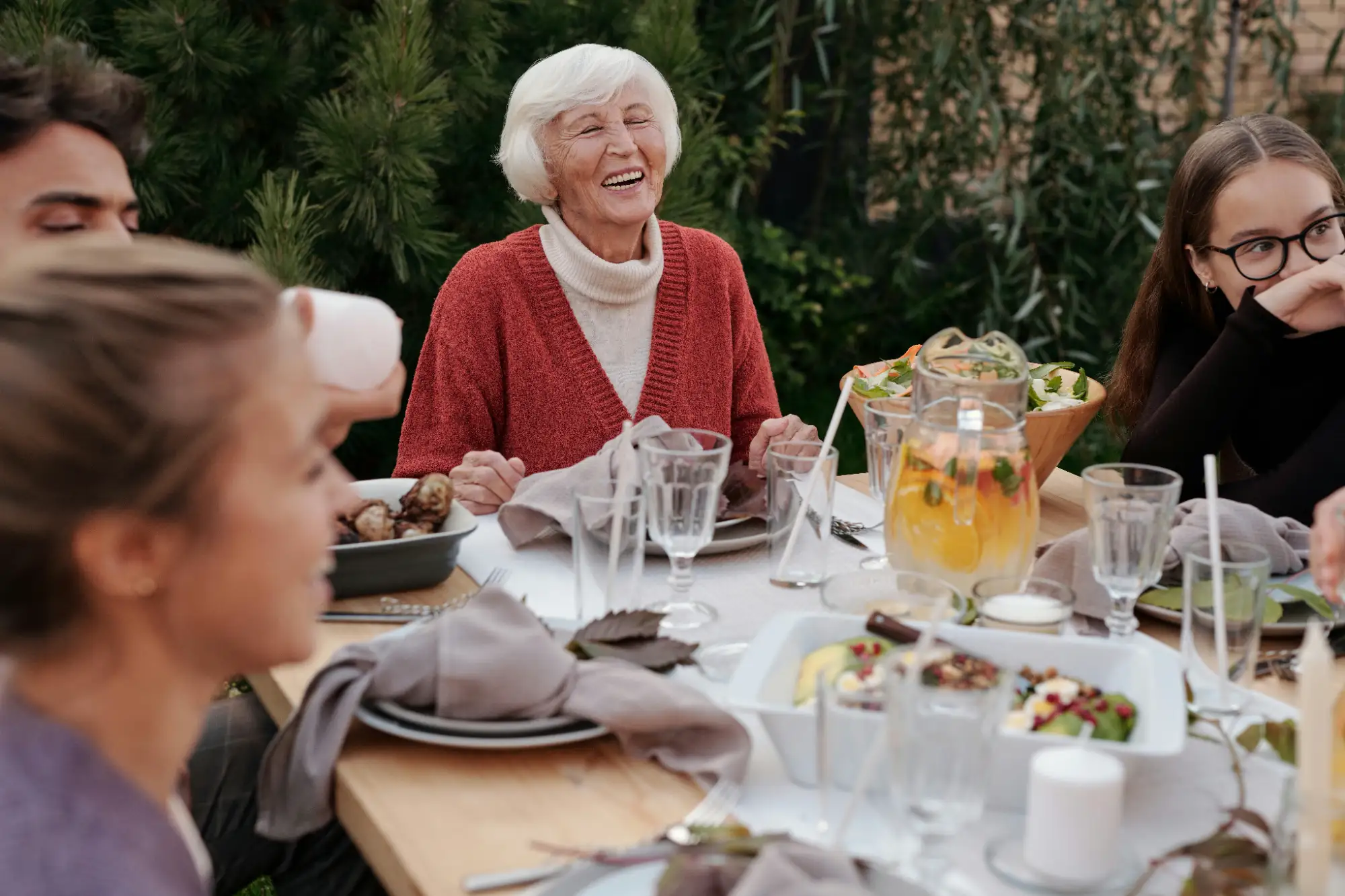
Conversations during meals, participation in group activities, and spending time with peers all help seniors feel connected and engaged. These routines create opportunities for laughter, companionship, and emotional support.
For many older adults, social engagement also helps reduce feelings of anxiety and isolation that may develop during later stages of life.
Can Social Engagement Help Cognitive Health?
Staying socially active may also help support cognitive function as seniors age.
Activities that encourage conversation, participation, and routine engagement help stimulate the mind and encourage ongoing mental activity. This becomes especially important for individuals experiencing memory changes or early cognitive decline.
According to a 2021 study published in Frontiers in Aging Neuroscience on Social Relationships and Cognitive Decline in Older Adults, stronger social relationships were associated with slower cognitive decline and improved mental well-being in aging adults.
Why Community Matters in Assisted Living
One of the biggest benefits of assisted living communities is the opportunity for consistent social interaction.
Many seniors who live alone experience fewer opportunities for connection over time. In a community setting, residents often have access to:
- Shared meals and dining experiences
- Group activities and events
- Exercise and wellness programs
- Conversations with peers and caregivers
- Celebrations, outings, and social gatherings
These everyday interactions help create a sense of routine and belonging.
The Importance of Staying Connected to Family
Social wellness is not limited to friendships within a community. Family relationships remain deeply important as well.
Frequent visits, phone calls, shared meals, and participation in family events help seniors maintain emotional closeness and feel connected to the people they love most.
For many Long Island families, choosing a local assisted living community makes these connections easier to maintain over time.
How Social Wellness Supports Physical Health
Social engagement often encourages healthier daily habits.
Seniors who feel connected and involved may be more likely to:
- Stay physically active
- Participate in meals regularly
- Maintain routines
- Attend activities and appointments
- Engage in hobbies and exercise programs
These habits can contribute to better overall wellness and improved quality of life.
What to Look for in a Socially Supportive Senior Community
When exploring assisted living options, families may want to look beyond medical services alone.
Questions worth asking include:
- Does the community offer regular social activities?
- Are residents encouraged to participate in events and programs?
- Is there a welcoming and engaging atmosphere?
- How does the community help residents build connections?
A strong social environment can make a meaningful difference in a senior’s overall happiness and well-being.
How Birchwood Suites Supports Social Connection
Birchwood Suites believes that wellness includes emotional and social well-being in addition to physical care.
By creating opportunities for interaction, activities, shared experiences, and daily engagement, Birchwood Suites helps residents remain connected and involved within a supportive community environment. Families across Long Island often find comfort in knowing their loved ones are surrounded by both care and companionship.
See How Our Community Fosters Connection
If you are exploring assisted living options for a loved one, understanding the role of social connection can help guide your decision.
Schedule a tour of Birchwood Suitesto learn more about the community, daily life, and how meaningful social engagement supports senior health and happiness.
Birchwood Suites proudly serves the communities of East Northport, Elwood and Kings Park, New York.


